
10 Nov First Home? Fitting Out Cupboards on a Budget
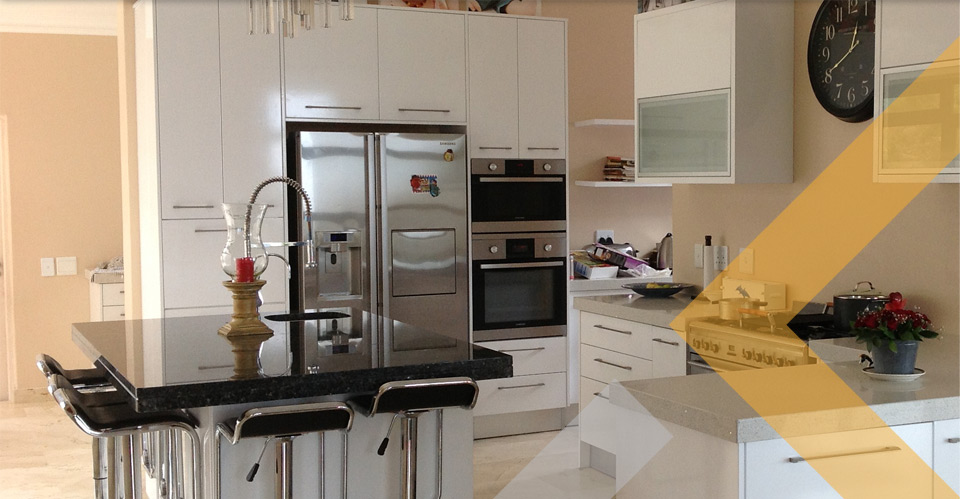
Buying your first home is exciting, but the costs do not stop at the deposit. Transfer fees, moving costs and the first few months of bonds and levies leave little for cupboards, and most first homes need at least some. The good news is that you can fit out a kitchen on a tight budget without ending up with something flimsy.
This guide shows you how to find cheap kitchen cupboards that last, where to spend and where to save, and how to plan the job in stages.
Budget for the Whole Move, Not Just the Bond
Before you shop, work out what is left after the purchase. Transfer duty, for example, is not payable on property valued up to R1,210,000, according to the SARS transfer duty rates, but bond registration, attorney fees and moving costs still apply, and a higher price attracts duty in bands. Check the current figures with your conveyancer, then decide how much you can put into cupboards without straining the month-to-month budget.
Our guide on how much a new kitchen costs shows how a small kitchen is priced unit by unit. It was written with earlier prices, so use it to understand the building blocks, then check current prices in the shop.
Why Buying Direct Keeps Costs Down
Most of the saving comes from where you buy. When cupboards are made in a factory and sold directly, there is no retail mark-up between the maker and you. DIY Cupboards makes standard-size units in volume and sells them factory-direct, which is how affordable kitchen units stay affordable.
We explain the full idea in our post on how to buy your cupboards direct from the factory. The flat pack format helps too, because you can collect the units yourself and put them together instead of paying for a joinery job.
Start With the Standard Range
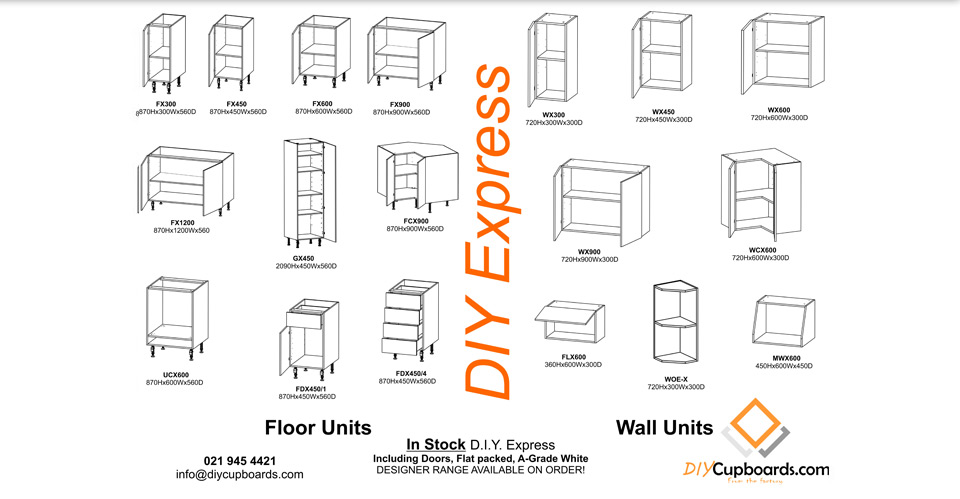
The easiest way to keep a kitchen cheap is to stay with standard sizes. The DIY Express range is made from A-grade double-faced melamine board with PVC edging. Melamine-faced board is a hard-wearing, easy-to-clean material made by suppliers such as PG Bison, and it suits a busy first-home kitchen.
Because the units come in set widths, you can mix and match them to fit your walls without paying for special sizes.
A basic starter kitchen needs only a few things: floor units for the main run, wall units above them, a sink unit and a grocery or pantry unit for dry goods. Everything else can wait.
Spend Where It Counts
Not every part of a kitchen deserves the same budget. Here is a simple way to prioritise:
- Floor units first. They carry the worktop and take the most daily wear, so buy the best you can afford.
- Sink and grocery storage next. A 450mm grocery unit keeps dry goods away from cleaning products in a small kitchen.
- Fillers and finishing panels. Gaps between units and walls look unfinished, so include the panels and fillers in your first order.
- Wall units can follow. If money is tight, fit the floor units now and add wall units when the next month’s budget allows.
Save Without Cutting Corners
There are sensible ways to save. Do your own measuring, so you order the right units the first time. Collect the units from the factory shop or showroom if you can, rather than paying for delivery.
Assemble and fit them yourself, with a friend to help. Our page on a kitchen on a budget covers the range and the 3D design help available from the showroom.
Avoid false economies. Skipping fillers, choosing the thinnest board available or buying a mix of mismatched units usually leads to repairs and replacements. A set of identical, standard units is cheaper to fix and easier to extend later.
Check Before You Order
Budget kitchen cupboards only save money when they fit. Before you pay, re-measure every wall, mark the sink, stove and plug positions, and count the fillers you need. Check the door swing next to appliances, and make sure the fridge has room to open.
A quick sketch on paper, taken to the showroom, lets a designer catch problems before they become expensive. It also helps to ask about delivery or collection, so the units arrive when you are ready to build.
Plan It in Stages
A first home rarely needs a finished kitchen on day one. A staged plan lets you move in, live with the space and spread the cost:
- Stage one: sink unit, floor units and grocery storage, so the kitchen works.
- Stage two: wall units, fillers and a splashback behind the stove.
- Stage three: extras such as handles, kick plates and a microwave unit.
If you plan to rent out a room or a flat on the property later, durable standard units are a smart choice. Our page on kitchen cupboards for rental properties explains why identical, replaceable units suit landlords.
Frequently Asked Questions
What is the cheapest way to fit out a kitchen?
Buy standard-size flat pack units factory-direct, measure carefully, assemble them yourself and add wall units and extras in stages.
Are cheap kitchen cupboards poor quality?
Not necessarily. Price depends mostly on how the cupboards are made and sold. Factory-direct units made from A-grade melamine board with PVC edging are built to last.
Can I fit the kitchen in stages?
Yes. Start with floor units, a sink unit and grocery storage, then add wall units, fillers and extras as your budget allows.
Do I need a professional to install flat pack units?
The units are designed for DIY assembly, and many first-time buyers do it themselves. If you prefer help, ask a showroom consultant about referrals to contractors.
Where can I get help planning my layout?
Visit the Stikland or Montague Gardens showroom with your measurements, and a designer can create a free 3D design for your kitchen.
Ready to plan your first-home kitchen? CONTACT US and we will help you choose the right units for your budget.
Browse the range or get help from a designer
Standard-size flat-pack units priced factory-direct, plus free 3D design help if you want a custom layout.
Browse the shop Talk to a designer
Factory-direct prices · Nationwide delivery · 4.6★ on Google
Sorry, the comment form is closed at this time.