

02 Jun Flat Pack Wardrobes: A Beginner’s SA Guide
Flat pack wardrobes have become the go-to bedroom storage solution for South African homeowners who want a built-in look without the custom price tag.
If you are new to buying or installing flat pack furniture, the process can feel a little overwhelming at first, there are sizing decisions to make, configurations to plan, and assembly to consider. This guide walks you through everything you need to know before you buy your first unit.
What Exactly Is a Flat Pack Wardrobe?
A flat pack wardrobe is a cupboard unit that is manufactured and sold in its component parts: panels, hardware, hinges, cam fittings, and doors, all packed flat for transport.
You assemble the unit on-site, either yourself or with the help of an installer. The result, once assembled and fixed in place, is a wardrobe that looks and functions identically to a built-in unit but costs significantly less.
At DIYCupboards.com, our flat pack bedroom units are manufactured in our Cape Town factory using A-grade boards and quality hardware.
The components are precisely cut, which means the panels fit together accurately and assembly is straightforward even for a first-timer.
Step One: Measure Your Space Carefully
Before you look at a single unit, get your measurements right. The most common beginner mistake is ordering units based on an approximate idea of the wall space rather than accurate figures. Our measuring tips guide covers exactly what to measure and record: the width of the wall, the ceiling height, the position of light switches, plug points, skirting boards, and any other fixed elements that will affect how your units sit.
It is also worth measuring the doorways and passages the units will need to travel through on delivery. Flat pack panels are long and can be tricky to manoeuvre around tight corners, so knowing this in advance prevents headaches on the day.
Understanding the Unit Types
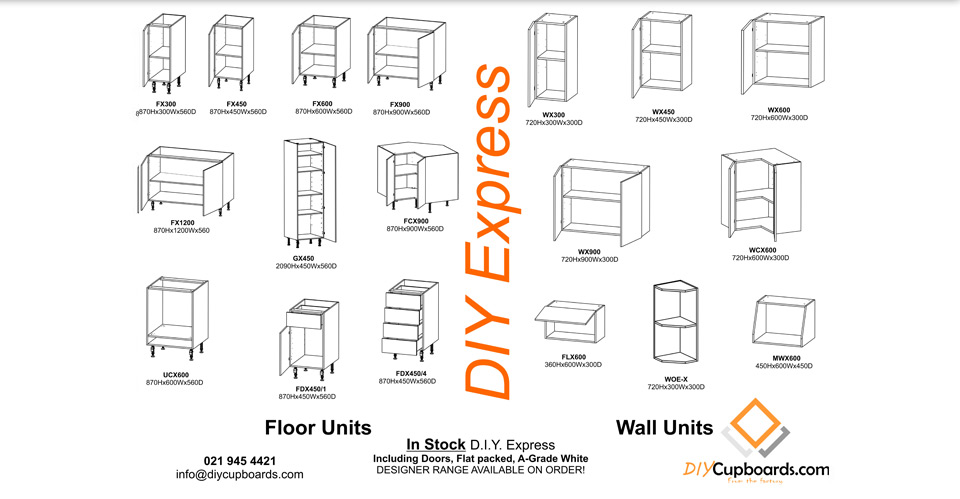
Our bedroom cupboard range includes several unit types that are typically combined to create a complete wardrobe layout:
- Hanging units: designed with a rail for hanging clothing. Available in single-hanging height (for shirts and jackets) and double-hanging height (two rails stacked, for shorter items).
- Shelf units: open shelving for folded clothing, shoes, bags, and accessories. Often combined with hanging units in the same run.
- Drawer units: fitted with drawers for smaller items. Highly practical as part of a bedroom layout, as drawers are far easier to use than shelves for everyday clothing.
- Corner units: designed to make use of corner spaces. Useful in bedrooms where two walls of storage meet at a right angle.
Most bedroom wardrobe layouts combine hanging and shelf units at minimum. Adding a drawer unit significantly improves daily functionality.
Planning Your Layout
Once you know your measurements and understand the unit types, you can start planning your layout. The most popular configuration combines a double-hanging section for shirts, jackets, and folded trousers over a shorter rail, a single-hanging section for dresses and longer items, and one or two shelf units for shoes and folded clothing. Our wardrobe design page shows how these combinations work across different wall widths and bedroom sizes.
If your bedroom has specific constraints: an angled ceiling, a narrow alcove, or a room shape that does not suit a standard run of units, our DIY Designer service is worth using. Bring your measurements to one of our showrooms and a consultant will help you plan a layout and provide a free 3D rendering of the finished result before you commit to anything.
What Tools Do You Need?
Flat pack assembly does not require specialist tools. For a standard bedroom wardrobe you will need a power drill with adjustable torque (which speeds up the cam fittings considerably), a rubber mallet for joining panels, a measuring tape, a spirit level, and a pencil for marking wall anchor points.
Small containers for screws and fittings are useful for keeping components organised during assembly.
Our flat pack assembly tips guide has a full breakdown of recommended tools and the smart habits that make assembly go smoothly.

Common Beginner Mistakes to Avoid
A few errors come up consistently with first-time flat pack installers. Not reading the instructions before starting is the most common; assembly sequences matter, and skipping ahead creates problems that are difficult to undo. Overtightening cam fittings is another frequent issue; they only need to be snug, not as tight as possible.
And skipping the spirit level when fixing units to the wall leads to a run of cupboards that looks visibly uneven once the doors are hung. Our guide on mistakes to avoid when installing DIY cupboards covers these and more in practical detail.
Do You Need to Install It Yourself?
No. The DIY in DIYCupboards.com refers to the direct-to-consumer model and the flat pack format, not a requirement to install the units yourself. If you would prefer to have a professional handle the installation, our Assist option connects you with accredited installers who can quote on fitting your units.
You still benefit from the factory-direct pricing on the cupboards themselves, you are simply outsourcing the physical installation.
Ready to Get Started?
Browse our full bedroom cupboard range online, visit one of our Cape Town showrooms to speak with a consultant, or download our product catalogue for dimensions and specifications. Whether you are fitting out a main bedroom, a spare room, or a small space wardrobe, we have the units and the support to help you get it right the first time.
Browse the range or get help from a designer
Standard-size flat-pack units priced factory-direct, plus free 3D design help if you want a custom layout.
Browse the shop Talk to a designer
Factory-direct prices · Nationwide delivery · 4.6★ on Google
Sorry, the comment form is closed at this time.